


Few conversations make homeowners more uneasy than hearing a roofing contractor say, “Your roof needs to be replaced.”
For many homeowners across Nassau County, Queens, and surrounding New York communities, that recommendation can represent an investment of $15,000 to $25,000 or more, depending on the size, complexity, and material of the roof. Naturally, homeowners want to know whether replacement is truly necessary or whether a repair can safely extend the life of the existing roof.
The reality is that there is no one-size-fits-all answer. Some roofing problems can be resolved with targeted repairs, while others indicate deeper issues that make replacement the more practical and cost-effective solution. Understanding the difference can help you make an informed decision and avoid spending more than necessary.
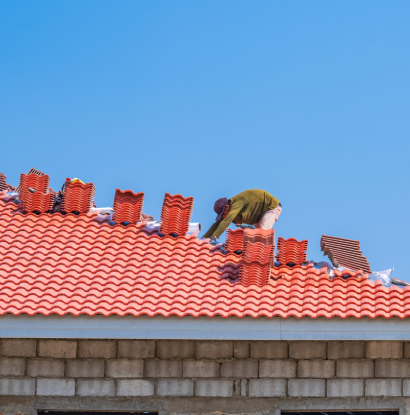
Understanding What Roof Repairs Can — and Cannot — Solve
Roof repairs are often the best solution when damage is isolated and the overall roofing system remains in good condition.
Common repair situations include:
- Flashing that has pulled away from a chimney
- A few damaged or missing shingles
- Cracked pipe boots
- Localized storm damage
- Small sections of deteriorated roofing material
- Minor leaks caused by isolated failures
In these cases, repairing the affected area can restore the roof’s performance without requiring a full replacement.
However, repairs are only effective when the surrounding roofing system is still structurally sound. Replacing a few damaged shingles on a roof that has widespread granule loss, deteriorated underlayment, or moisture-damaged decking may only provide temporary relief.
A professional roofing inspection should never focus solely on the visible damage. A qualified contractor should evaluate the entire roof system, including:
- Shingle condition
- Flashing performance
- Valleys and ridge areas
- Roof penetrations
- Underlying decking
- Signs of hidden moisture intrusion
The recommendation should be based on the overall condition of the roof—not just the most obvious problem area.
Roof Age: The Critical Factor Many Homeowners Ignore
The age of your roof plays a major role in determining whether repair or replacement makes the most financial sense.
In New York’s climate, asphalt shingles generally last between 20 and 30 years, depending on factors such as:
- Material quality
- Installation workmanship
- Attic ventilation
- Weather exposure
- Maintenance history
Three-tab shingles often reach the lower end of that range, while architectural shingles may last significantly longer when properly installed and maintained.
If your roof is already more than 20 years old and develops a leak, the leak itself may simply be a symptom of a larger aging system. While repairing the leak can stop immediate water intrusion, it does not address the condition of the remaining roof surface, which may be approaching the end of its service life.
An experienced contractor should provide realistic expectations. In some situations, a repair may buy several additional years of service. In others, replacement may be the more practical long-term investment.
Understanding the remaining useful life of your roof is often one of the most important factors in making the right decision.
New York Building Codes and the Two-Layer Roofing Rule
One often-overlooked factor in the repair-versus-replacement discussion is New York building code.
Residential roofs are generally limited to a maximum of two layers of asphalt shingles. If a roof already contains two layers and significant roofing work is required, a complete tear-off and replacement may be the only code-compliant solution.
Many homeowners are unaware of how many layers exist on their roof.
During an inspection, a roofing contractor can determine this by examining roof edges and other exposed areas. If multiple layers are present, that information directly affects both project scope and budget planning.
Before making any roofing decision, homeowners should understand how existing roofing layers may impact their available options.
What Your Attic Reveals About Your Roof’s Condition
The attic often tells a more complete story than the roof surface itself.
Signs that can indicate hidden roofing problems include:
- Water stains on roof decking
- Mold or mildew growth
- Dark streaks along rafters
- Damp insulation
- Visible daylight entering through the roof structure
These indicators may reveal moisture intrusion that has existed for months or even years before becoming visible inside living spaces.
Attic ventilation also plays a critical role in roof performance.
During summer months, excessive attic heat can accelerate shingle deterioration from below, shortening the lifespan of roofing materials. During winter, poor ventilation contributes to ice dam formation, one of the most common causes of roof damage throughout New York.
When warm air escapes into the attic, snow on the roof melts unevenly. The water then refreezes near the roof edge, creating ice dams that can force water beneath shingles and into the home.
A thorough roofing assessment should always include an evaluation of attic ventilation and moisture conditions—not just the exterior roof surface.
Evaluating the Cost: When Repair Makes Sense and When Replacement Is Smarter
Many homeowners want a simple rule for deciding between repair and replacement.
While every roof is unique, the following guidelines can help:
Repair Is Often the Better Choice When:
- Damage is localized
- The roof is relatively young
- Most roofing materials remain in good condition
- Repair costs are less than 25% of replacement costs
- The roof still has 8–10 years of expected service life remaining
Replacement Often Makes More Sense When:
- The roof is nearing the end of its lifespan
- Damage is widespread
- Multiple repairs have already been performed
- Repair costs approach 40% or more of replacement costs
- Structural or code-related issues exist
A new roofing system also provides long-term protection and manufacturer warranties that can offer decades of coverage, reducing uncertainty and future repair expenses.
The closer your situation falls to the middle of these guidelines, the more important a thorough professional assessment becomes.
Why a Second Opinion Can Save You Thousands
When a contractor recommends a full roof replacement, there is nothing wrong with seeking a second opinion.
In fact, reputable roofing companies often encourage it.
A second assessment provides valuable perspective and helps confirm whether replacement is truly necessary. To make the comparison meaningful, ask each contractor to perform an independent inspection and explain their findings in detail.
Pay attention to:
- The specific problems identified
- The condition of surrounding roofing materials
- Evidence supporting their recommendation
- Expected lifespan remaining
- Repair versus replacement costs
If multiple professionals reach similar conclusions independently, you can move forward with greater confidence. If opinions differ significantly, obtaining a third evaluation may be worthwhile before making a major investment.
Making the Right Roofing Decision
Choosing between roof repair and roof replacement is not simply about fixing a leak or replacing damaged shingles. It is about evaluating the overall condition of your roofing system, understanding its remaining lifespan, and determining which option delivers the greatest long-term value.
A repair is often the right solution when damage is limited and the roof still has many years of reliable service ahead. However, when age, widespread deterioration, structural concerns, or code requirements become factors, replacement may ultimately save money and provide greater peace of mind.
The most important step is obtaining a thorough inspection from a trusted roofing professional who evaluates the entire roofing system—not just the visible problem.
At Abraham Roofing, we believe homeowners deserve honest recommendations based on facts, not sales pressure. Whether your roof requires a minor repair or a complete replacement, our team provides detailed inspections and transparent guidance to help you make the best decision for your home.
