


A major nor’easter rolls through Nassau County, and within a day or two, the roofing trucks start appearing.
You may see an unfamiliar van parked down the street. Someone in a polo shirt might knock on your door and offer a “free roof inspection.” They may tell you they’re already helping several homeowners nearby and noticed possible storm damage on your roof.
At first, it can sound helpful. After all, you just went through a storm, and you probably want to know whether your roof is okay.
But this is also when homeowners need to slow down.
Some contractors travel from one storm-damaged area to another, looking for homeowners who need immediate repairs. These contractors are often called storm chasers. While not every out-of-area contractor is dishonest, some use aggressive sales tactics, inflated estimates, questionable contracts, or rushed workmanship to make money before moving on to the next storm.
For homeowners searching for roofing contractors in New York, knowing how these scams work can help you avoid an expensive mistake.
At Abraham Roofing, we’ve been serving homeowners in Lynbrook and the surrounding Long Island communities for more than 30 years. We’ve seen how quickly storm damage can turn into a stressful situation, which is why we believe homeowners should understand what to look for before signing anything.
Here’s how the typical storm-chaser process can unfold.
Stage One: They Follow the Storm
Storm chasers don’t usually pick neighborhoods at random.
They watch weather forecasts, track major storms, and look for areas where homes are likely to have suffered wind, hail, or other damage. Once a storm passes, they can quickly move into affected neighborhoods.
That means you might see them on your street before you’ve even had time to figure out what happened to your own roof.
Some may be legitimate contractors who are simply expanding their service area. Others may operate under temporary business names or move between states from one storm to the next.
The problem is accountability.
If something goes wrong six months later, you want to know exactly who worked on your roof and where you can find them. A contractor who has already moved on to another state or changed business names can be much harder to track down.
Long Island is particularly attractive to storm-related roofing businesses because of its large number of residential properties, older homes, and exposure to coastal storms.
Stage Two: The Door-to-Door Pitch
The approach often sounds friendly.
Someone knocks on your door and says they’re already working nearby. They may mention a neighbor, point out something they supposedly noticed on your roof, or offer to take a quick look.
You might hear things like:
“We’re already helping a few homeowners on the street.”
“I noticed some shingles that may have been damaged in the storm.”
“Let me take a quick look. There’s no charge.”
There’s nothing automatically wrong with offering a free inspection. The problem is what happens next.
A homeowner who is worried about leaks, missing shingles, or possible insurance damage is naturally more likely to make a quick decision.
That’s exactly why you shouldn’t feel pressured to hire the person who happens to knock on your door first.
Stage Three: The “Free” Roof Inspection
A free inspection can be useful — but you should still know who is inspecting your roof.
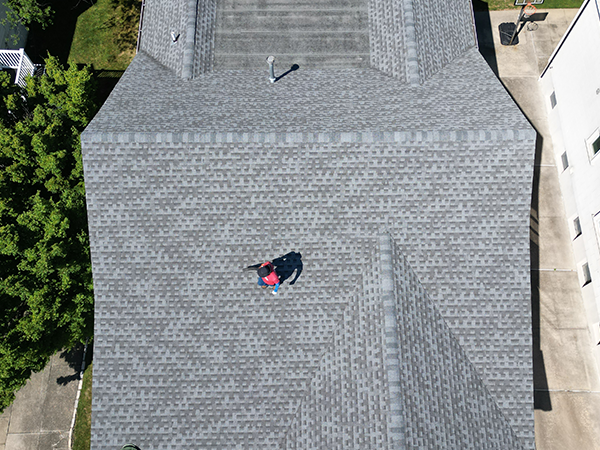
Once someone gets on your roof, you’re relying heavily on their assessment. If you don’t know much about roofing, it can be difficult to tell whether the damage they’re showing you is serious, minor, old, or even related to the recent storm.
A reputable contractor should be willing to explain what they found and show you clear photos of the areas that need attention.
Be cautious if you’re shown dramatic pictures but aren’t given a clear explanation of where the damage is or what caused it.
There have also been cases in the industry where dishonest operators have exaggerated existing damage or, in extreme cases, caused damage themselves to create a larger repair job.
You don’t need to assume that every contractor is doing this. You simply need to remember one important rule:
Never let a stranger’s inspection be the only inspection you rely on.
Get a second opinion from a contractor you have independently researched.
Stage Four: The Pressure to Sign
This is where a questionable roofing sales pitch can become a serious problem.
You may hear that you need to act immediately because:
- “Your insurance deadline is coming up.”
- “We’re only going to be in the area for a few more days.”
- “This price is only available today.”
- “We can start tomorrow.”
- “You need to sign now so we can get your claim moving.”
Some storm damage claims do have deadlines, but that doesn’t mean you have to sign a roofing contract within a few hours of someone knocking on your door.
If a contractor is legitimate, they should be comfortable giving you time to review the estimate, check their credentials, speak with your insurance company, and compare your options.
Be Especially Careful With the Contract
Never sign a roofing contract without reading it carefully.
Look for language involving insurance payments, authorization to communicate with your insurance company, or an assignment of benefits (AOB).
An assignment of benefits can give a contractor rights over insurance proceeds or claim-related matters. The exact legal effect depends on the wording and circumstances, so if you see something you don’t understand, ask your insurance company or a qualified professional before signing.
The important point is simple:
Don’t sign a contract just because someone says it’s standard. Read it first.
Stage Five: What Happens After You Sign?
Not every storm-chasing operation ends with someone disappearing after collecting a deposit.
Sometimes the contractor actually completes the work.
That’s where another problem can arise.
A crew may arrive quickly, remove the old roof, install the new materials, and leave before you have any reason to think something went wrong.
The roof may even look perfectly fine from the ground.
But roofing problems aren’t always visible right away.
Poor flashing installation, inadequate ventilation, improperly installed underlayment, rushed sealing, or other workmanship issues may not become obvious until the next major rainstorm or winter.
And if the contractor has already moved on to another market, getting someone back to fix the problem can become extremely difficult.
A roofing warranty is only as useful as your ability to contact the company responsible for honoring it.
How to Spot a Storm Chaser
You don’t have to become a roofing expert to protect yourself.
Start by watching for these warning signs.
They Arrive Immediately After a Major Storm
Someone showing up shortly after a storm isn’t automatically a scammer. However, unsolicited door-to-door sales immediately following severe weather should make you more cautious.
Take their information and research the company yourself before agreeing to anything.
They Don’t Have a Verifiable Local Address
Ask where the business is located.
Then verify it.
A P.O. box or vague “office” location doesn’t necessarily tell you where the actual business operates.
You should be able to independently confirm the company’s business information.
They Pressure You to Sign Today
This is one of the biggest red flags.
A roofing project is a significant investment. You should have enough time to compare contractors and understand the contract.
If someone tells you that today’s price disappears tonight, that’s a reason to pause — not a reason to sign faster.
They Won’t Provide Proof of Insurance
Ask for current proof of insurance.
A reputable contractor should be able to provide documentation showing that the business carries appropriate coverage.
Don’t rely solely on a verbal promise.
They Can’t Give You Verifiable References
If a contractor says they’ve recently completed several jobs in your neighborhood, ask for references.
Better yet, independently verify those references.
They Make Big Promises About Your Insurance Claim
Be careful if a salesperson tells you exactly what your insurance company “will” pay before your claim has been properly evaluated.
Your insurance coverage and claim settlement are matters between you and your insurer. A roofing contractor can provide documentation and estimates, but they shouldn’t make unrealistic promises about your final insurance payout.
What Should You Do If Someone Knocks on Your Door?
The best thing you can do is slow everything down.
You don’t have to make a decision on your front porch.
Take the contractor’s business card. Ask for their company information. Tell them you’ll contact them if you’re interested.
Then do your own research.
Call your insurance company and ask about the claim process and any applicable deadlines. Research the contractor’s licensing and business information. Check reviews and references. Get another roof inspection if necessary.
Most importantly, don’t allow a salesperson’s urgency to become your urgency.
If your roof genuinely needs repair, the damage will still be there after you’ve taken a day or two to make an informed decision.
Why Local Experience Matters in Nassau County
There’s a real advantage to working with a contractor who has an established presence in your community.
A local roofing company has a reputation to protect. Its customers are its neighbors, referrals come from the same communities, and the company has to keep answering the phone long after the storm is gone.
That’s especially important when you’re dealing with a major roofing project.
Before hiring any contractor, make sure you can verify who they are, where they operate, what insurance they carry, and what other homeowners have experienced working with them.
The Bottom Line: Don’t Let a Storm Create a Second Problem
Storm damage is stressful enough without having to worry about whether the person offering to fix it can be trusted.
The good news is that avoiding roofing scams in New York doesn’t require complicated research. Take your time, verify the contractor, get more than one opinion when necessary, read the contract carefully, and never let someone pressure you into signing immediately.
If you’re searching for roofing contractors in New York, choose a company you can actually verify and contact after the project is finished — not just someone who happens to be in your neighborhood because a storm passed through.
At Abraham Roofing, we’ve been serving homeowners in Lynbrook and the surrounding Long Island area for more than 30 years. Our goal isn’t to rush homeowners into a decision. We believe you should understand the condition of your roof, know what work is recommended, and feel comfortable with the contractor you choose.
Whether you need residential repairs, a complete replacement, or help evaluating storm damage, our team provides professional roofing services in New York with a focus on quality workmanship and long-term results.
For homeowners and businesses, Abraham Roofing also provides solutions for commercial properties. If you’re looking for commercial roofing contractors in New York, having an experienced local team that understands Long Island’s weather conditions can make a significant difference.
