


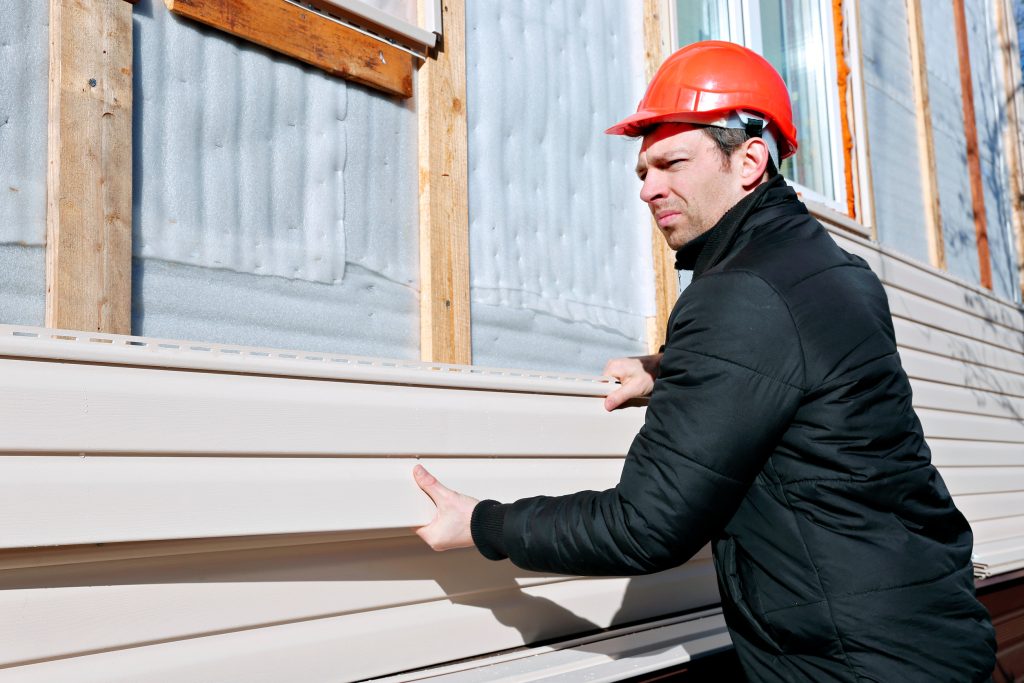
Your home’s siding works hard. It protects your house from the elements, enhances curb appeal, and even helps with energy efficiency.
However, like any other part of your home, siding can face wear and tear over time. Ignoring these issues could lead to costly repairs or even structural damage.
This comprehensive guide will explore the most common siding problems and how to address them, ensuring your home remains well-protected and visually stunning. Whether you’re dealing with vinyl, wood, or fiber cement siding, we’ve got you covered.
Signs Your Siding Needs Attention
Before jumping into specific problems, it’s essential to recognize the tell-tale signs that your siding requires maintenance or repair. Keep an eye out for these indicators:
- Cracks or Gaps: Could allow moisture to seep in.
- Warping or Bulging: Signals underlying water damage or warped materials.
- Mold or Mildew Growth: Common near seams and corners due to trapped moisture.
- Peeling Paint or Faded Colors: A sign of wear and aging.
- High Energy Bills: Poor insulation could mean your siding isn’t performing well.
If you notice any of these issues, it’s time to address them before they escalate.
Cracked or Split Siding
Why It Happens
Cracks or splits are common issues for all types of siding materials, whether vinyl, wood, or fiber cement. They usually occur due to temperature fluctuations, impact damage, or aging.
How to Fix It
- Small Cracks: Can be sealed with a paintable exterior caulk. Choose a caulk that matches your siding color for a seamless repair.
- Severe Splits or Damage: Replace the damaged panel or board entirely. This ensures the integrity of your siding while maintaining its appearance.
If you’re uncomfortable handling the replacement yourself, reach out to professionals like Abraham Roofing to get the job done right.
Warped or Buckling Siding
Why It Happens
Warped or buckled siding typically occurs due to improper installation, extreme weather conditions, or moisture trapped behind the siding. Vinyl siding is especially prone to warping when installed too tightly, leaving no room for expansion or contraction.
How to Fix It
- Inspect for Moisture Issues: If water infiltration is the root cause, address the source of the leak before replacing the siding.
- Replace Warped Panels: Carefully remove the affected piece and install a new section of siding with proper spacing to allow for expansion.
Mold and Mildew Growth
Why It Happens
Mold, mildew, and algae thrive in moist, shaded areas. Poor drainage systems and lack of sunlight can exacerbate this issue.
How to Fix It
- Cleaning: Use a gentle solution of water, soap, and vinegar or a specialized siding cleaner to scrub away the mold. A pressure washer may help but use it cautiously to avoid damaging your siding.
- Check Drainage Systems: Ensure gutters and downspouts are directing water away from your home’s siding. Pair this with routine maintenance to prevent future buildup.
Peeling Paint or Faded Colors
Why It Happens
Paint deterioration is commonly caused by exposure to UV rays, extreme temperatures, or old age. With wood siding, peeling could also signal trapped moisture or the absence of a protective seal.
How to Fix It
- Repaint: Sand down the affected area, apply a primer designed for exterior use, and repaint with high-quality, weather-resistant paint.
- Consider Maintenance-Free Options: If constant repainting is a hassle, materials like vinyl or aluminum siding offer durable, low-maintenance alternatives.
Loose or Missing Panels
Why It Happens
Strong winds, impacts, or improper installation can cause siding panels to come loose or even go missing.
How to Fix It
- Reattach Loose Panels: Use fasteners or clips specific to your siding material.
- Replace Missing Sections: Measure carefully and order panels that align with your home’s existing siding style and color.
High Energy Bills Due to Poor Insulation
Why It Happens
Siding plays an important role in maintaining your home’s insulation. Damaged or poorly insulated siding can lead to drafts, causing your HVAC system to work overtime.
How to Fix It
- Install Insulated Siding: Materials like insulated vinyl siding can provide an added layer of thermal protection.
- Seal Gaps Around Siding: Caulk any exposed seams or edges to prevent air leaks and boost energy efficiency.
Preventing Future Siding Problems
Taking care of your siding doesn’t have to be a daunting task. Incorporate these practices into your routine to extend its lifespan and avoid costly repairs:
- Regular Inspections: Check your siding at least twice a year for signs of damage or wear.
- Clean Regularly: Simple cleaning routines can prevent dirt, mildew, and algae buildup.
- Maintain Gutters: Functional gutters help keep water away from your siding and foundation.
- Schedule Professional Assessments: Experts can identify and fix small issues before they turn into major problems.
Invest in Your Home’s Health Today
Your home’s siding is more than just a decorative element. It’s a barrier that shields your house from harsh weather and keeps it energy-efficient. By addressing common problems like cracks, mold, or warping early, you can save money and ensure your home looks and performs its best.If you’re unsure how to tackle a siding issue, don’t worry—we’re here to help.
At Abraham Roofing, we provide expert vinyl siding installation, repair services, and maintenance programs tailored to meet your needs. Contact us today to schedule a free estimate and keep your home in top shape.
