


Every business owner hears the same fear: a new roof means shutting down. Turned-away customers. Tenants on the phone. Inventory under tarps. It doesn’t have to work that way. The shutdown comes from bad planning, not from the roof. The best commercial roofing contractors in New York build the job around your operating hours, not the other way around. A roof is a business asset , and replacing it should be run like a business project.
The Myth: New Roof, Closed Business
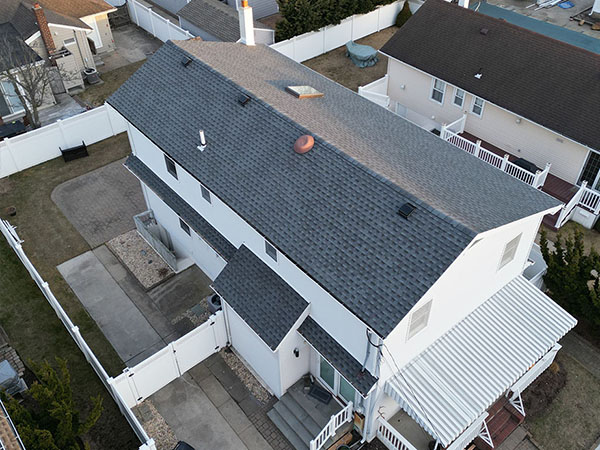
Roof work happens over your head, not inside your building. Occupied buildings are usually handled with a phased roof replacement: one area is stripped, the new system goes down, and that section is sealed watertight before the crew leaves for the day. Your staff, customers, and tenants stay inside a dry building. What changes is everything around the building: noise, deliveries, parking, and foot traffic below the work zone. Those are scheduling problems, and scheduling problems have solutions.
What Actually Disrupts a Business
Four things cause real trouble during a roof replacement: noise, access, overhead safety, and weather. Each one can be planned for.
Noise. Tear-off is loud. Ask which hours carry the loudest work and whether it can shift away from your busiest hours.
Access. Dumpsters, material deliveries, and lifts eat parking and loading space. Agree on staging areas and delivery windows before day one, not on day one.
Overhead safety. Falling debris and swinging equipment don’t belong near your front door. Insist on marked walkways and closed-off drop zones so your entrances stay usable.
Weather. This one decides whether the whole plan holds up.
Long Island Weather Is the Real Deadline
A section open to the sky is a section at the mercy of the forecast. On Long Island, that means late-season nor’easters, fast spring downpours, and cold snaps that limit which materials can go down. A crew that strips more roof than it can seal that day is gambling with your ceilings and your inventory. Ask two questions: how much roof will be open at once, and what’s the rule for stopping when the forecast turns? A vague answer is your answer. Keep looking.
What to Ask Commercial Roofing Contractors in New York
How many sections will the roof be done in? Who is on site every day, and who do you call at 7 a.m. when something changes? Where will dumpsters, deliveries, and equipment sit? Who pulls the permit, and when? In Nassau County, permits come from your town or village building department, and requirements differ from one to the next, so get familiar with New York roofing laws before the schedule is set. Then get every answer in writing.
Flat roofs deserve one more question. They’re common on Queens storefronts and multi-unit buildings, and on a flat roof drainage and seams decide how long the new system lasts. Ask how the design handles ponding water.
Pick Your Own Timing
The cheapest way to keep your doors open is to choose the schedule yourself. A roof replaced after a failure is replaced on the roof’s schedule, in whatever weather shows up. Regular professional roof inspections tell you the roof’s condition and remaining life, so you can budget and book the work in a good weather window. Insurers are also looking harder at aging roofs, so knowing your roof’s age and condition before renewal helps. Waiting for a leak to force the decision is one of the things owners get wrong about commercial roofing.
Repair or Replace? Put Downtime in the Math
Owners compare a repair bill to a replacement bill and stop there. Add a third line: what disruption costs you. Try cost per year, which is total installed cost divided by expected years of service, plus the cost of every interruption along the way. Illustrative numbers only: a $100,000 roof that lasts 20 years runs $5,000 a year. A $60,000 roof that lasts 10 years runs $6,000 a year, before you count a second round of noise, staging, and tenant complaints. If you’re stuck on repair or replace, start by counting how often the roof has needed repairs. A roof that keeps leaking is telling you something.
The Bottom Line
A commercial roof replacement doesn’t have to cost you a week of business. It costs you a few decisions made early: phase the work, set weather stop rules, plan for noise and access, and hire a contractor who puts all of it in writing. If you’re weighing a roof replacement, book a free in-person estimate. An estimator meets you on site, inspects the problem, and gives you a diagnosis.
